
Don’t Fall for Fragile: Step Back and Plan
Falls from height are the leading cause of fatality in the UK workplace, particularly within roofing. According to the Health & Safety Executive, fragile roofs account for 22% of all fall from height fatal injuries in the construction industry. Fragile roofs aren't always easy to identify, but the damage can be permanent, if not fatal. Don't Fall for Fragile is a campaign that sets out the steps to take to prevent and eliminate this risk.

NFRC resources and guidance
If you don’t know it’s safe, treat it as fragile.
Fragile roofs are not always obvious. A roof may look solid, but still be unable to safely support a person or the impact of a fall.
Fragile roof risks include:
- Rooflights, domes and skylights
- Fibre cement sheets
- Corroded or damaged metal sheets
- Liner panels and internal gutters
- Woodwool slabs and older roof decks
- Coated, overlaid or weathered roof surfaces
- Hidden weak areas beneath coverings or repairs
If a roof surface, assembly or element is liable to fail under the weight of a person or under impact, it must be treated as fragile.
Don’t Fall for Fragile is an NFRC industry-led campaign to help contractors, clients, designers and building owners identify fragile roof risks early, plan work properly and stop unsafe shortcuts before someone gets hurt. Because fragile roofs do not forgive mistakes.
This Campaign Is Not About Paperwork. It Is About Planning.
Too many fragile roof incidents happen because people assume the roof is safe, rely on experience, or accept the cheapest access solution without properly considering the risk.
Don’t Fall for Fragile is about changing that mindset.
Before anyone steps onto or near a fragile roof, the work must be properly planned, the roof condition understood, and the right access and fall prevention measures put in place.
The message is simple: Don’t step through. Step back and plan.
The Industry Can Do Better
Fragile roof incidents are preventable, but prevention requires early planning, visible leadership and a willingness to challenge unsafe assumptions. We should not accept people walking onto roofs without knowing whether the surface can support them.
Clients, designers and contractors all have a role to play. The safest solution is rarely found after work has already started on the roof.
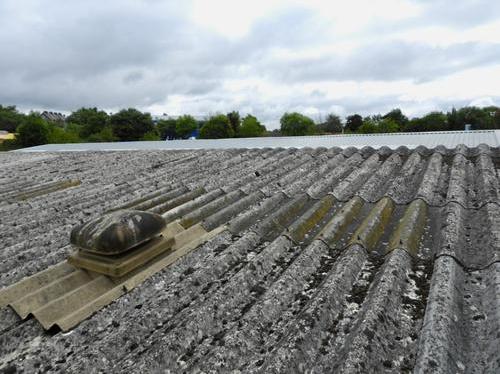
This image shows an example of a fragile roof and how it can be difficult to spot the risk. The roof lights are so discoloured by UV, that unless you know where they are, it's difficult to see them.
Don't Fall for Fragile: Pledge Support
Any organisation can pledge support for the Don’t Fall for Fragile campaign.
By pledging support, you are confirming that your organisation understands the risks associated with fragile roofs and is committed to promoting safer planning, access and working practices across its workforce and supply chain.